azure-location

Get FREE shipping in the US for orders over $35 + FREE returns within 30 days

Get FREE shipping in the US for orders over $35 + FREE returns within 30 days

The Lighting Secret: How to Increase Productivity in the Workplace

  • 2025-11-26

Good workplace lighting is not purely aesthetic. It plays a meaningful role in how we focus, think, and perform throughout the workday.

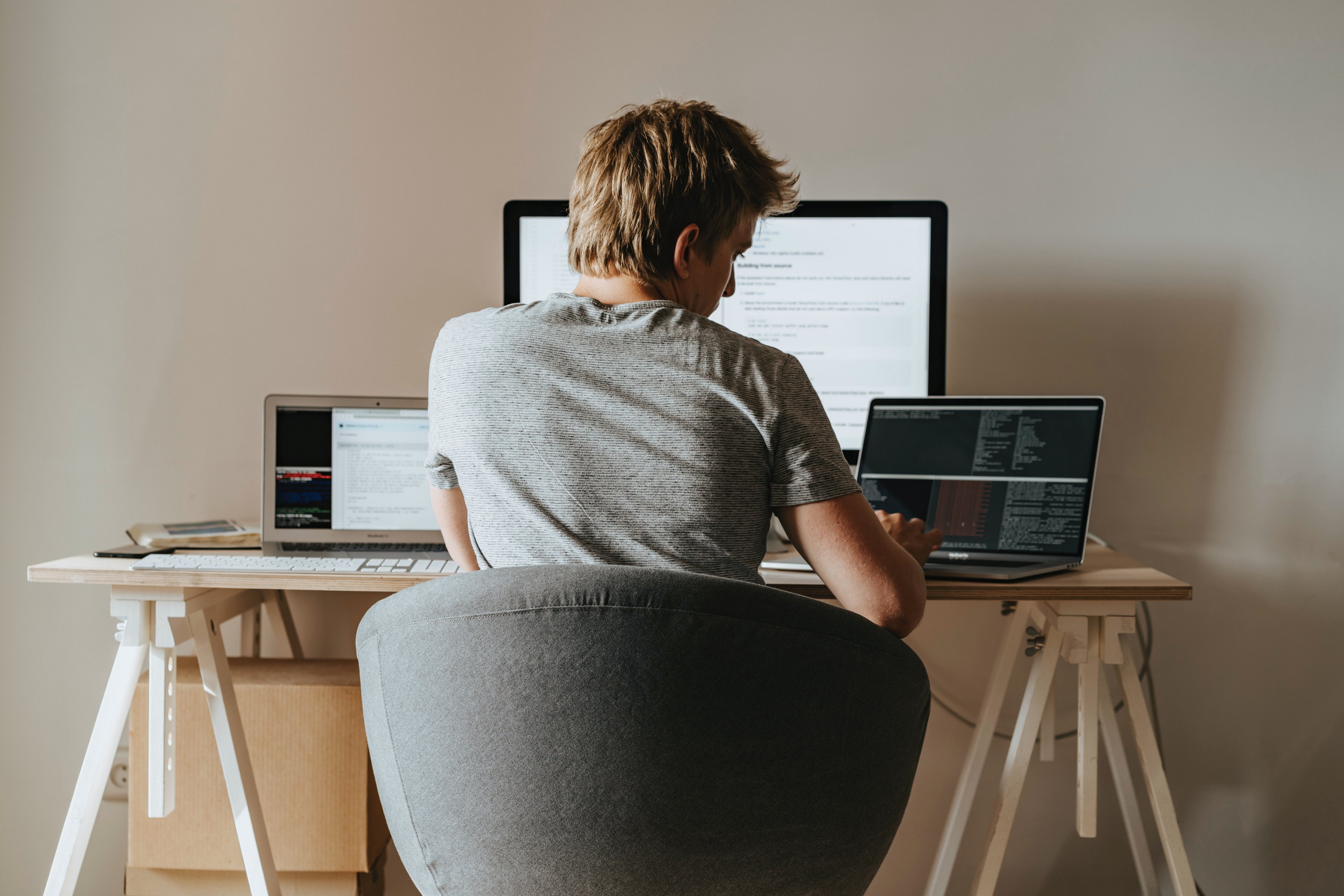
From early-morning emails to late-night reviews, our eyes are constantly processing screens, documents, and data. When workplace lighting is dim, uneven, or creates glare, our eyes must work harder to interpret what is in front of us. That additional effort increases cognitive load, quietly competing with your attention, concentration, and decision-making.

Studies referenced by Cornell Ergonomics show that glare and uneven lighting increase visual discomfort and can degrade task performance during computer-based work. Over time, this strain contributes to fatigue, reduced focus, and lower overall output.

In work environments where screen time is unavoidable and tasks frequently shift between reading, analysis, and decision-making, the quality of lighting becomes more than a comfort issue. It becomes a factor in sustained performance.

Optimizing your workplace lighting is not about creating a perfect setup. It is about reducing unnecessary visual stress so more mental energy can be directed toward meaningful work.

Why Traditional Desk Lighting Often Falls Short

Many traditional desk lamps are designed to add brightness rather than support screen-based work. As a result, they often introduce new problems such as harsh shadows, uneven illumination, or reflections on the monitor.

For people who spend long hours working at a desk, simply adding more light does not necessarily improve visual comfort. In some cases, it can make visual strain worse. Reflections on the screen and inconsistent lighting across the workspace force the eyes to constantly readjust, increasing mental effort over time.

Understanding these limitations helps explain why general desk lighting alone is often insufficient for sustained, screen-centered work.

Essential Habits for Eye Health and Sustained Focus

Before adjusting equipment or investing in new tools, a few foundational habits can help reduce digital eye strain and support extended periods of focused work.

Follow the 20-20-20 Rule

The American Osteopathic Association recommends taking a brief visual break every 20 minutes by looking at something at least 20 feet away for 20 seconds. This simple habit helps relax eye muscles stressed by prolonged close focus and can reduce symptoms associated with digital eye strain.

Design an Ergonomic Viewing Setup

Position your monitor at or slightly below eye level and keep it approximately 20 to 40 inches away. Ergonomic guidance shows that proper screen alignment reduces eye and neck strain while improving visual clarity during long work sessions.

Match Color Temperature to the Task

Color temperature of light influences both comfort and alertness:

  • Warm light between 2700K and 3500K supports relaxed reading and drafting.
  • Neutral light around 4000K works well for general productivity.

Cooler light between 5000K and 6500K can enhance alertness during analytical or detail-oriented tasks.

Using an appropriate color temperature helps reduce visual fatigue and supports consistent focus.

Prioritize Even, Uniform Illumination

Even lighting across the entire work surface reduces the need for constant visual adjustment. Patchy or uneven illumination forces the eyes to adapt repeatedly between bright and dark areas, increasing mental effort and reducing visual comfort over time.

Key Consideration #1: Reducing Screen Glare Through Asymmetric Illumination

One of the most common sources of visual fatigue in modern workspaces is glare caused by reflected light on the monitor. Even subtle reflections reduce on-screen contrast and force constant micro-adjustments by the eyes.

These small corrections often go unnoticed, but over time they contribute to mental fatigue and reduced focus, especially during long screen-based work sessions.

How This Is Applied in Practice

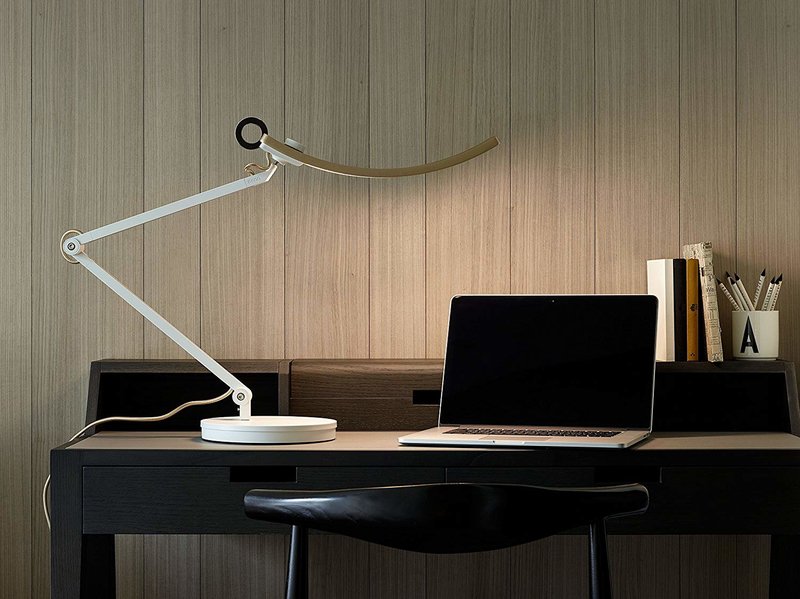
Specialized lighting solutions such as the BenQ ScreenBar Series monitor light bar are designed with asymmetric optical technology. Instead of projecting light outward in all directions, the light is directed forward and downward to illuminate the desk surface while avoiding reflection on the display, while also keeping it directly out of your eyes.

Asymmetric Front Light

Balanced Illumination

This creates a lighting environment that is clear, even, and glare-free. By stabilizing visual input, glare-free illumination helps reduce unnecessary cognitive effort and supports clearer, more sustained focus throughout the day.

Key Consideration #2: Adjusting Lighting for Different Types of Work

Different tasks place different demands on visual processing. Lighting that can adapt to those demands supports both comfort and efficiency as work shifts throughout the day.

Practical Lighting Considerations for Different Roles

Writers and Strategists

Warm to neutral lighting supports extended reading and drafting by reducing eye strain and increasing eye comfort. Shifting to neutral or slightly cooler light can further improve clarity during editing or detailed review.

Coders and Analysts

Neutral to cool lighting enhances contrast on dense information, small text, and dark interfaces. This can help maintain visual stability during extended periods of debugging and data analysis.

Designers and Creators
Maintaining stable ambient lighting helps avoid changes in color perception on screens. Directed, glare-free lighting supports focused work without interfering with visual accuracy.


How This Is Applied in Practice

Lighting that allows control over brightness and color temperature helps accommodate these different work modes without requiring compromise.

Specialized solutions like the BenQ ScreenBar Series monitor light bar offer intuitive control over illumination level and color temperature. This direct functionality allows your work environment to instantly adapt to your cognitive demands.

Instead of interrupting focus, you can effortlessly adjust the light to support your workflow: shifting to the warm glow that supports reading and increases eye comfort for long writing sessions, or selecting the crisp, cooler light that enhances contrast for detailed, analytical work. The BenQ ScreenBar Series monitor light automatically maintains a consistent, optimal light level throughout the day via an integrated auto-dimming sensor. This preserves your mental energy, supporting that feeling of sustained, uninterrupted focus, regardless of how drastically your tasks shift.

Conclusion

Workplace lighting is often treated as a background detail, but it plays a meaningful role in visual comfort, focus, and sustained productivity.

By adopting proven eye-health habits and using lighting designed to provide uniform, glare-free illumination, it is possible to reduce visual strain and preserve mental energy throughout the workday. The benefits are subtle but cumulative, leading to steadier focus, fewer distractions, and more consistent performance over time.

Optimizing lighting is a simple and quick environmental adjustment, but one that supports clearer thinking and healthier work habits in screen-centered work environments.


Explore the ScreenBar® Series

Guide to Choosing the Best Monitor Light

See Founder Stories

FAQs

Why does color temperature matter?

Cooler light can feel more alert while warmer light relaxes the visual system. Use them intentionally by task and time.

Will a ScreenBar® help in naturally bright rooms?

Yes. The ScreenBar®s directional beam evens out contrast on your work surface and provides the necessary and even lighting across your workspace, day and night. The real-time auto-dimming feature constantly senses and adapts to shifting ambient light throughout the day, ensuring your work area maintains consistent, optimal brightness. This intelligent balancing act eliminates the strain caused by light fluctuation, allowing you to sustain focus from morning until night.

Is ScreenBar® suitable for any type of workspace?

Yes. Its clip-on, space-saving design fits most monitors, so no extra desk space is required. It’s perfect for compact home offices, multi-monitor setups, or any environment where focus and clarity matter.

Is ScreenBar® only for creatives or developers?

Not at all. While many founders, engineers, and designers use it to support high-focus work, ScreenBar® benefits anyone who spends time at a screen – students, strategists, managers, and creators alike. 

What makes ScreenBar® different from a regular desk lamp?

Traditional lamps light the desk but often create shadows or glare on your screen. ScreenBar® uses an asymmetrical optical design that projects light forward and down, illuminating your workspace without reflecting off the monitor. The result is consistent, balanced brightness that enhances clarity without visual distraction.

How does the ScreenBar® help reduce eye strain?

By delivering uniform illumination that minimizes contrast shifts between the screen and the surrounding area. Auto-dimming adjusts to your environment, while adjustable color temperature supports comfortable viewing from day to night. Together, these reduce the visual effort your eyes need to maintain focus.

Was this article helpful?

Yes No

Recommended Products

  • Save {{currency}}{{item.saveAmount| numberThousandsCommas | numberDecimalPoint}}
    Save {{item.savePercent| numberThousandsCommas | numberDecimalPoint}}%

    {{item.productWordingTag}}

    {{item.title}}

    • {{point}}

    {{currency}}{{item.finalPrice| numberThousandsCommas | numberDecimalPoint}} Save {{currency}}{{item.saveAmount | numberThousandsCommas | numberDecimalPoint}} Save {{item.savePercent | numberThousandsCommas | numberDecimalPoint}}%

    new device price{{currency}}{{item.regularPrice| numberThousandsCommas | numberDecimalPoint}}