

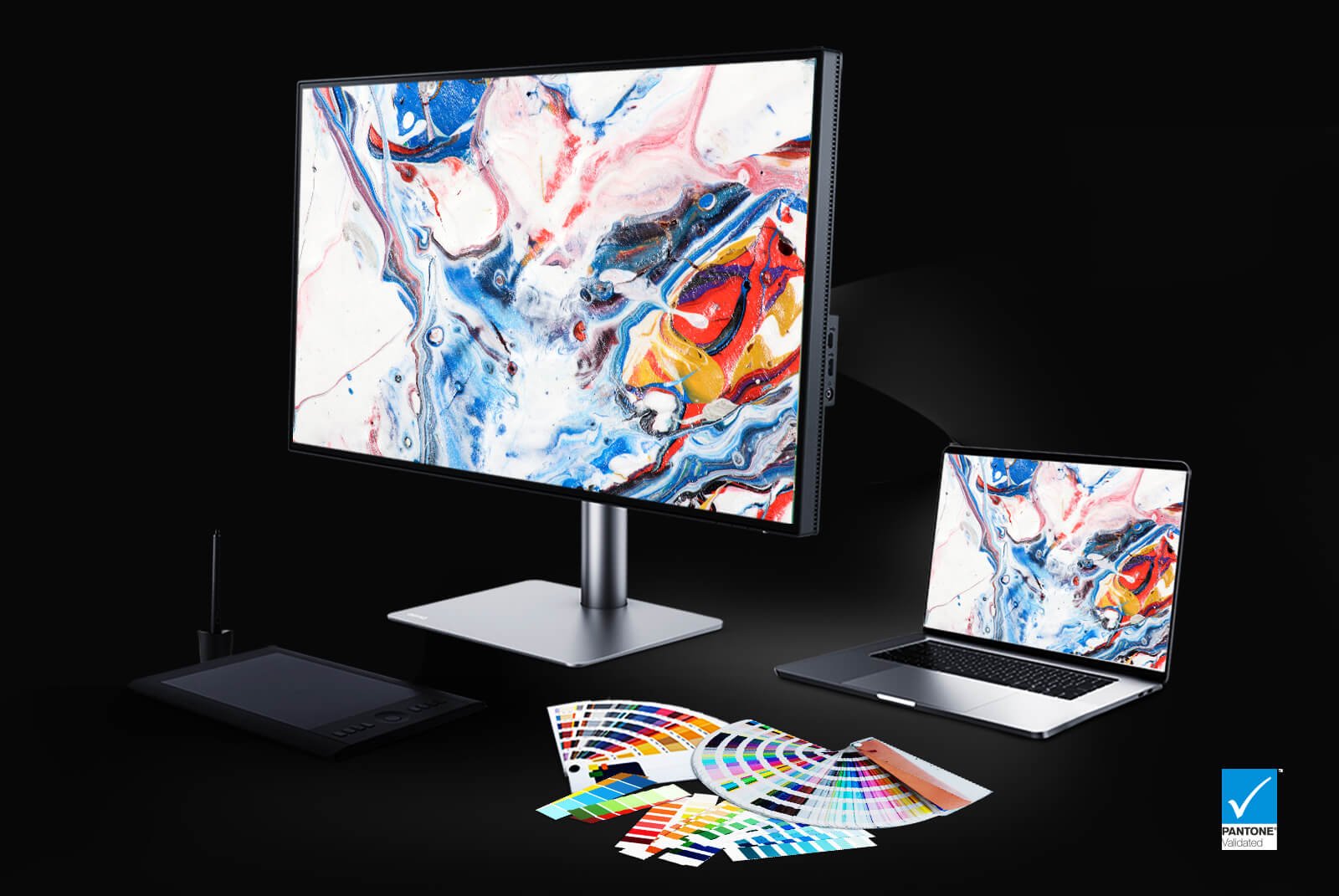
Pantone is well known by designers and other pros who work extensively with color. The Pantone Matching System (PMS) standardizes color to ensure consistent hues. This eliminates guesswork when matching colors, which is a big deal. "Almost" is not good enough. Additionally, the Pantone Color of the Year affects trends each time it's announced. But, most people associate Pantone with products made of paper, plastic, or cloth. So why does a monitor brand like BenQ connect with Pantone or the designer circle? In the digital age, digital color is key. Most design and color-focused creativity start on a display. That's why BenQ is the first display manufacturer to seek and earn Pantone Validated certifications.
Background
Pantone started as a printing company in the 1960s. They soon realized the graphic arts industry needed an effective color communication standard. So, they introduced the first Pantone Matching System in 1963 with 500 colors. PMS has evolved ever since with more colors for use in ever-varied media. Nowadays, Pantone Matching System includes more than 1,300 colors. They cover formats including paper, plastics, textiles, and electronic libraries. In 2007, X-Rite, a leading manufacturer of color measurement and management products, acquired Pantone. Forward to 2019, BenQ announced a wide range of monitors which are “Pantone Validated." DesignVue PD series and PhotoVue Photographer SW series earned this status. BenQ is the first professional display brand with dedicated Pantone Validated monitors. Of note, X-Rite, Pantone, and BenQ started the certification discussion in 2013. And BenQ had pushed for the certification ever since. This is all because BenQ saw the need for color certification in computer monitors.
Benefit
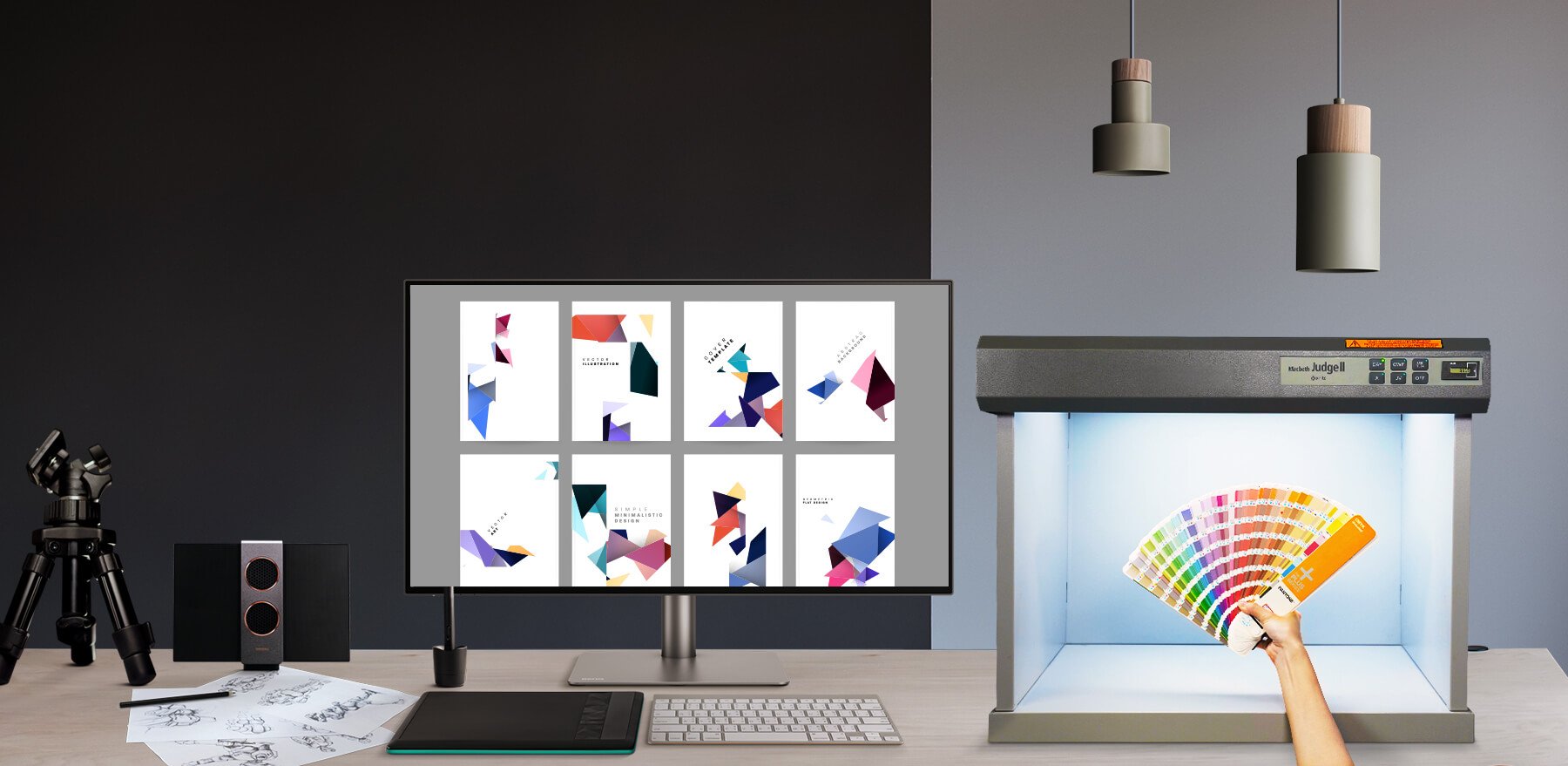
The benefit of creating/obtaining Pantone Validated Certification links to PantoneLIVE. PantoneLIVE is a cloud-based digital version of the Pantone color library. The goal is for everyone in a creative color process to access the same color values for any job. The concept is great but presents challenges. The first problem is finding a trustworthy display. This is where Pantone Validated Certification comes in. The certification tests the monitor’s ability to accurately reproduce Pantone colors. Only monitors that can reproduce a certain percentage of Pantone colors earn Pantone Validated. The test involves thousands of colors. This eliminates guesswork. So, when a designer needs a reliable display, they only need to check whether it is Pantone Validated. If so, they can be confident that the Pantone colors on the screen are accurate.
The second issue is choosing which BenQ display is best for you. DesignVue PD series or PhotoVue SW series both have Pantone Validated Certification. You could choose based on your budget. You might also consider whether you want to calibrate at a later stage. PD series monitors earn Pantone Validated Certification in factory preset mode. SW series monitors earn Pantone Validated Certification in factory preset and calibration modes. Both PD and SW monitors users can enjoy out-of-the-box Pantone color accuracy. SW series users have the added benefit of post-purchase calibration. They maintain accuracy using BenQ proprietary hardware calibration software, Palette Master Element.

Inconsistency Color?
Upsets more than you'd expect
Conclusion
BenQ, Calibrite, and Pantone worked to provide creatives a way to confirm a monitor’s Pantone Color rendering capability. BenQ is the first professional monitor brand awarded Pantone Validated Certification. BenQ DesignVue Designer PD series and PhotoVue Photographer SW series are Pantone Validated. If you count on color accuracy, count on a Pantone Validated display.