Projector
Explore Business Projector
Professional Installation Exhibition & Simulation Conference Room Meeting Room Education ProjectorsMonitor
Lighting
Interactive Display | Signage
Cookie Setting
How can I change my BenQ cookie settings?
Page updated: May 2020
Some essential features on BenQ sites just won’t work without cookies. And having other cookies switched off can seriously affect the way you’ll be able to enjoy our services.
Please check your cookie settings below and turn on any cookies you’re happy with.
“Strictly necessary” cookies can’t be turned off. But Functional and Performance cookies can be turned on or off below. You can learn more about cookies and what they do on our other pages.
If you've chosen to block third-party cookies on your browser, your cookie preferences won't carry over from benq.eu to benq.xx and vice versa. Please make sure to set your cookie preferences in both places.
On
Strictly necessary cookies
These cookies are essential so that you can move around the website and use its features. Without these cookies services you have asked for cannot be provided.
On
Off
Functional cookies
These cookies allow the website to remember choices you make to give you better functionality and personal features.
On
Off
Performance cookies and advertising cookies
Performance cookies
These cookies help to improve the performance of BenQ. If you want to opt-out of advertising cookies, you have to turn-off performance cookies. We also use Google Analytics, SessionCam and Hotjar to track activity and performance on the BenQ website. You can control the information provided to Google, SessionCam and Hotjar. To opt out of certain ads provided by Google you can use any of the methods set forth here or using the Google Analytics opt out browser add-on here. To opt-out of SessionCam collecting data, you can disable tracking completely by following link:https://sessioncam.com/choose-not-to-be-recorded/. To opt-out of Hotjar collecting data, you can disable tracking completely by following link:https://www.hotjar.com/privacy/do-not-track/.
Advertising cookies
These cookies are used to track your activity on the BenQ website and other websites across the Internet, help measure the effectiveness of our advertising campaign and deliver advertisements that are more relevant to you and your interests. We use various advertising partners, including Amazon, Facebook, and Google. These cookies and other technologies capture data like your IP address, when you viewed the page or email, what device you were using and where you were. You can find out how to avoid them below.
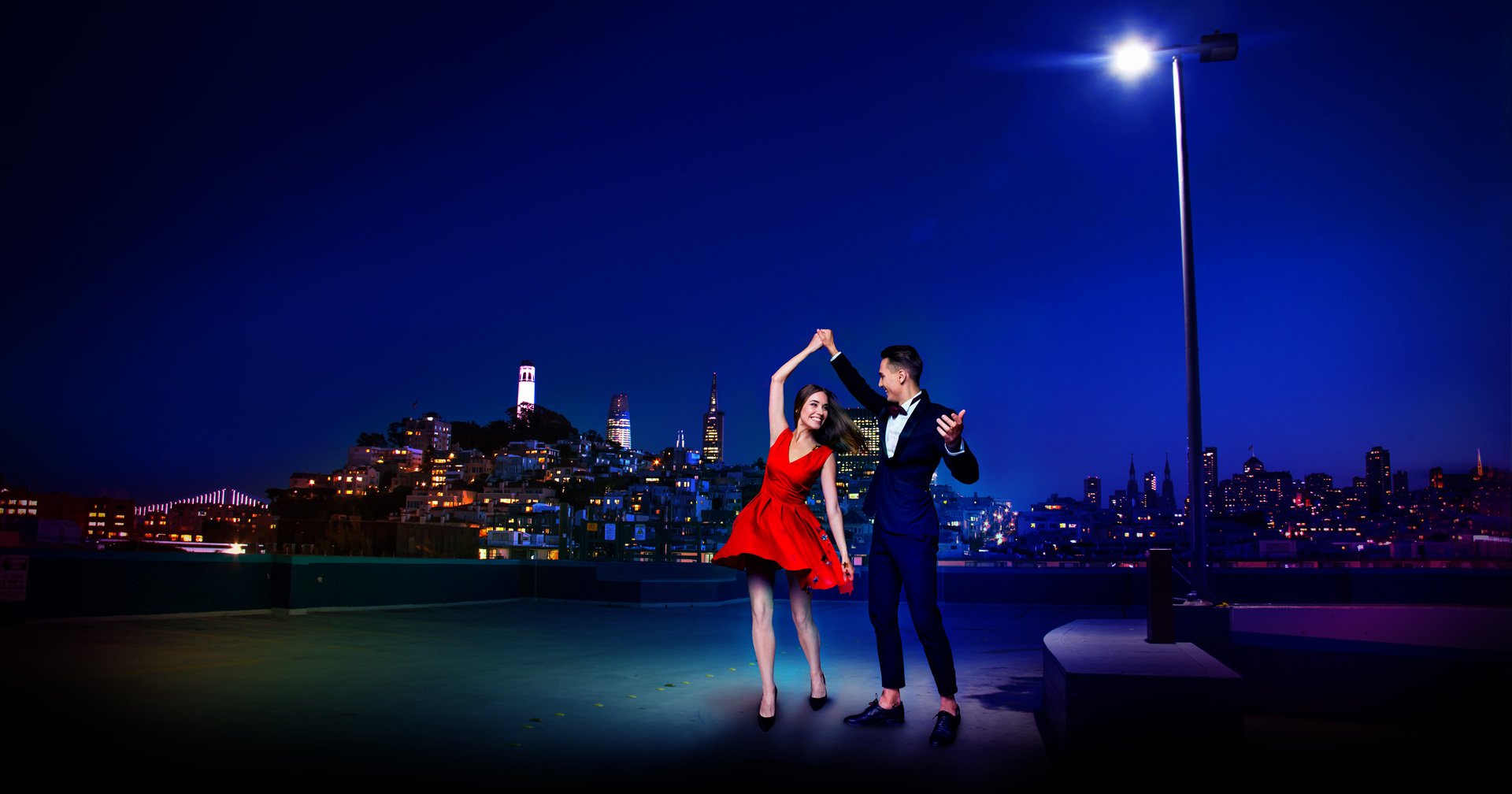
Bringing a story to the big screen can take months, sometimes even years of planning. From character dialogue, set design, lighting, and wardrobe, filmmakers decide what is the best way to drive the narrative and deliver the best experience for the viewer. Those are only a few integral elements in filmmaking but one element that often goes unnoticed by viewers is the use of color. Color can convey tone, emotion, symbolism, character development, and a multitude of other concepts. Damien Chazelle’s use of color in his film La La Land is so successful it becomes the main driver in the film’s narrative.
Chazelle’s award-winning film, La La Land, has great examples of how color propels a storyline and conveys mood. La La Land, visually stunning in its rich luscious imagery, builds a vibrant world that meshes fantasy with reality. It pays homage to classic Hollywood-style musicals that dominated the 1950s and were known for their dance sequences and use of Technicolor. Technicolor was a laborious and complicated process of dye-transfer techniques to superimpose the three primary colors to produce a final color. This technique produced beautiful films like the Wizard of Oz, Gone with the Wind, and Singing in the Rain. But it was a very expensive process, limiting the number of films that could be produced using it.
Chazelle employs the color blue throughout his film to symbolize creativity, control, and classical Hollywood. He channels these themes through his character Mia, a young woman who moves to Los Angeles with dreams of becoming a star. Her hopes are like many others who move to L.A, but the vibrant blue pieces she wears sets her apart and symbolizes her connection to classical Hollywood. This can be seen when Mia decides to go out with her friends, who adorn bright colored dresses, but Mia’s blue dress stands out the most among them. Mia is also consistently placed in front of blue toned murals of classic Hollywood actresses and actors that are scattered across L.A.. This can be seen when she is in her room lying on the bed, and again when she is walking home from the night out with her friends, and she crosses in front of one.
Her counterpart Sebastian, played by Ryan Gosling, wears blue when he struggles to control the direction and style of his music. In one scene he loses his job to maintain his creative control, and thus his authenticity. Blue is again present when Sebastian and Mia dance for the first time, Mia takes off her vibrant blue shoes to dance with him, essentially giving him control.
Color is also used throughout the film to blend fantasy and reality. The dance sequences are filled with vibrant colors and have a sense of fantasy. Red is utilized to pull the characters and viewers back to face reality. For example, after the whimsical dance number at the party Mia attends with friends, she finds out her car has been towed. The establishing shots are cool blue tones, with contrasting red stop lights shining strikingly for a moment, symbolizing Mia’s abrupt return to reality and the struggle to survive in L.A. Red is again deployed as a reality check when Mia and Sebastian meet again at a pool party. Sebastian is wearing a red jacket playing in a band he has little respect for to “pay the bills.”
Chazelle uses color to subtly convey the struggle of two people surviving in an unforgiving city, falling in love, and fulfilling their dreams, which in turn has a bigger impact than just using dialogue.
As previously discussed, the use of color in film can be just as effective in driving a storyline as dialogue or characters. The traditional process of achieving Technicolor may no longer be standard, but with advancements in technology, filmmakers are able to achieve those rich colors effortlessly.
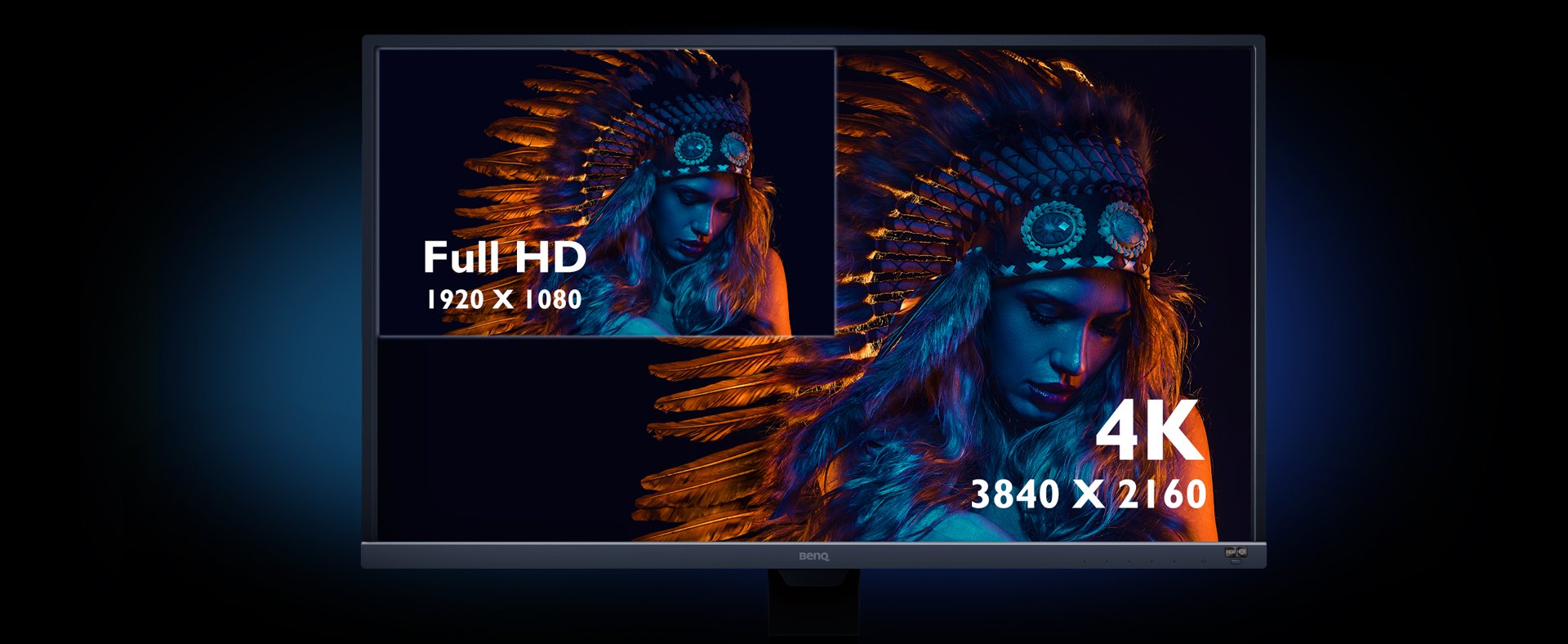
For example, new processes in color development like DCI-P3, an RGB color space that features a color gamut much wider than other traditional methods, allow filmmakers to produce 4K films that are as visually stunning as La La Land. DCI-P3 allows for one hundred percent color accuracy in a wider color gamut, generating a more impactful film experience. To experience the true intention and detail in movies such as La La Land, it’s important to make sure your entertainment display supports DCI-P3 so that the color and viewing experience is as the filmmaker intended.
Kamrie McZiel is a graduate of The University of North Texas with a BA in Radio, Television and Film. She is an experienced video editor and curator that has worked on a variety of projects. As a recent transplant to New York, Kamrie has created company videos used for advertisement and promotion across multiple social media platforms. You can check out more of her work on her website and vimeo.
{{item.productWordingTag}}
{{currency}}{{item.finalPrice| numberThousandsCommas | numberDecimalPoint}} Save {{currency}}{{item.saveAmount | numberThousandsCommas | numberDecimalPoint}} Save {{item.savePercent | numberThousandsCommas | numberDecimalPoint}}%
new device price{{currency}}{{item.regularPrice| numberThousandsCommas | numberDecimalPoint}}