如何使用電子白板開始線上教學|BenQ 教育互動觸控顯示器使用指南
- BenQ
- 2022-04-20
實體課程在疫情期間大受影響,波及全球超過 10 億名學習者1,但卻也讓教育界和科技界提倡多年的事實浮上檯面,那就是:轉換到雲端是至關重要且無可避免的舉措。
對資深教育工作者而言,像雲端這麼抽象的概念也許很難理解,但運用雲端進行教學其實相當簡單。無論有沒有意識到這個現象,每天都會使用智慧型手機的教師們,其實已經是活躍的雲端使用者。他們只需要將平常使用裝置的方法應用到課堂上。
但雲端究竟是什麼?
簡單來說,雲端就是可透過網路存取的數個伺服器2。各組織都會運用雲端代管我們日常使用的網站和應用程式。每當我們在串流網站上聽音樂、寄送電子郵件,或在社群媒體上對貼文按讚,都會運用到雲端。雲端也在教育領域廣泛運用,例如:透過 Google Classroom 或 Microsoft Teams 分享課程內容、在雲端白板上寫下指示,或是在無法到教室上課時,透過視訊通話聯繫在家上課的學生。

採用雲端的相關資料 (Google 和 Microsoft)
分析初期疑慮和長遠優勢
儘管在學校使用雲端已蔚為風潮,但部分教育工作者仍反對採用雲端。其中大多人抱持猶豫的態度,是因為他們對雲端技術有先入為主的想法,認為這會讓教學變複雜。
雖然這些反彈的情緒確實存在,但大多顧慮都是暫時的。研究顯示,教師反對新的教育技術或無法充分善用這些技術的其中一個主要原因是因為缺乏知識17。在經過充足的訓練後,參與這項研究的教師中有高達 70% 能想出如何以創意的方式,將教育技術 (EdTech) 融入他們的課堂中。
儘管一開始有所疑慮,但在學校採用雲端的長遠優勢相當值得。

學習不間斷
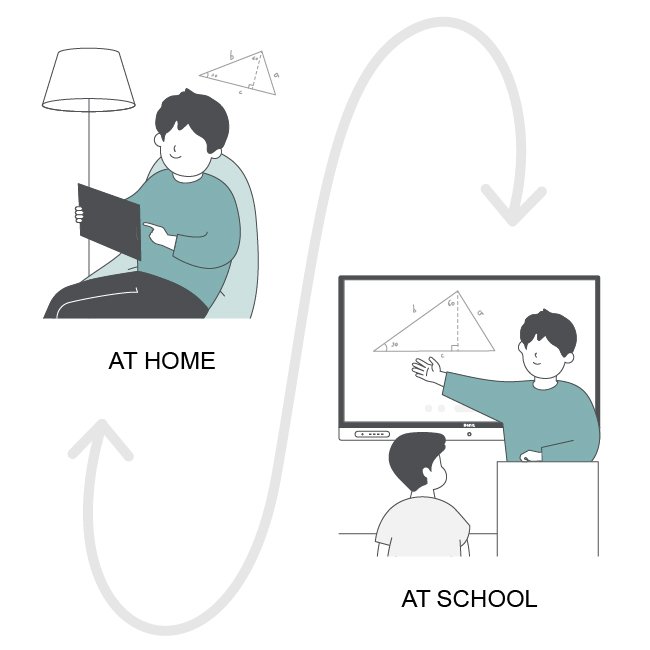
使用雲端能顯著改善學校的運作彈性。若遇到臨時停課的情況,學校行政單位可以迅速轉換到遠端或混合教學模式,確保學生的學習進度不受干擾。
由於雲端學習管理系統和線上教育資源並不會受限於校園內,因此教師和學生隨時都可以取得課程教材。他們可以輕鬆下載課程內容到學校發放的裝置,並透過視訊會議加入課堂。

觸及範圍更廣
使用雲端可以拓展教室的邊界,讓學校有更多虛擬空間,容納更廣泛多元的學生和教師。只要善用視訊會議的強大功能,教育機構不僅能提供課程給不在校內的學習者,也能有更多機會邀請遠在他方的講師和業界專家,同時為不同學生團體演講。
即時互動
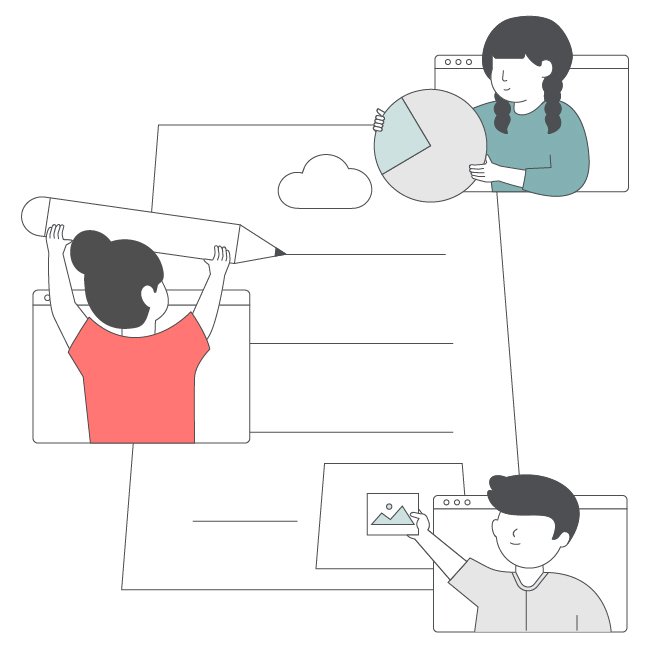
藉由雲端白板和其他線上生產力工具,學生能夠即時交流想法並合作完成共同的作業。在完全遠端的學習環境設置中,學生幾乎無法當面見到同學,這些工具能提供與彼此互動的管道,讓他們一起學習並和彼此聯繫感情。

提升科技素養
在教育領域運用雲端技術,也能協助學生和老師更能適應科技的革新。這不僅限於他們對軟硬體的操作知識,也會擴及創意力 (即運用這些工具做為溝通媒介的方式) 和禮儀 (即在線上共用空間該有的行為)。這能培養他們成為更面面俱到的科技使用者。
無論您的學校處在何種雲端採用的階段,BenQ 都能提供支援。無論您是使用 Google Workspace 和 Office 365 等雲端平台,或甚至是用於教學的 Microsoft Office 等本機安裝程式,您都可以在 BenQ 互動觸控顯示器上輕鬆載入雲端檔案和應用程式,實現參與度更高的實體課程和混合學習過程。如欲了解詳情,歡迎點選下列任一連結。
- “COVID-19 Impact on Education”, UNESCO, https://en.unesco.org/covid19/educationresponse, 11 February 2020, last accessed 6 September 2021.
- Earley, E., “What is cloud computing?”, School of Engineering, Massachusetts Institute of Technology, https://engineering.mit.edu/engage/ask-an-engineer/what-is-cloud-computing, 13 September 24, last accessed 6 September 2021.
- Li, C. and Lalani, F., “The COVID-19 pandemic has changed education forever. This is how”, World Economic Forum, https://www.weforum.org/agenda/2020/04/coronavirus-education-global-covid19-online-digital-learning, 29 April 2020, last accessed 6 September 2021.
- Waters, R., “Prospering in the pandemic: the top 100 companies”, Financial Times, https://www.ft.com/content/844ed28c-8074-4856-bde0-20f3bf4cd8f0, 19 June 2020, last accessed 6 September 2021.
- De Vynck, G. and Bergen, M., “Google Classroom Users Doubled as Quarantines Spread”, Bloomberg, https://www.bloomberg.com/news/articles/2020-04-09/google-widens-lead-in-education-market-as-students-rush-online, 9 April 2020, last accessed 15 September 2021.
- Moreno, J, “Zoom Competitor, Google Meet, Is Now Adding 3 Million Users Per Day”, Forbes, https://www.forbes.com/sites/johanmoreno/2020/04/29/zoom-competitor-google-meet-is-now-adding-3-million-users-per-day, 29 April 2020, last accessed 15 September 2021.
- Perez, S, “Google to roll out slate of over 50 updates for Classroom, Meet and other online education tools”, TechCrunch, https://techcrunch.com/2021/02/17/google-to-roll-out-slate-of-over-50-updates-for-classroom-meet-and-other-online-education-tools, 18 February 2021, last accessed 15 September 2021.
- “Microsoft Cloud Strength Fuels Fourth Quarter Results”, Microsoft, https://www.microsoft.com/en-us/Investor/earnings/FY-2021-Q4/press-release-webcast, 27 July 2021, last accessed 15 September 2021.
- Warren, T., “Microsoft Teams usage jumps to 145 million daily active users”, The Verge, https://www.theverge.com/2021/4/27/22406472/microsoft-teams-145-million-daily-active-users-stats, 27 April 2021, last accessed 15 September 2021.
- Foley, M.J., “Microsoft Teams hits 250 million monthly active user milestone”, ZDNet, https://www.zdnet.com/article/microsoft-teams-hits-250-million-monthly-active-user-milestone, 28 July 2021, last accessed 15 September 2021.
- Petri, G., et al., “Predicts 2021: Building on Cloud Computing as the New Normal”, Gartner, https://www.gartner.com/document/3994453, 14 December 2020, last accessed 6 September 2021.
- Williams, K., “Top 5 Trends Impacting K-12 Education in 2021”, Gartner, https://www.gartner.com/document/3996271, 1 February 2021, last accessed 6 September 2021.
- Kurelovic, E., et al., “Cloud computing in education and student's needs”, 36th International Convention on Information & Communication Technology, Electronics and Microelectronics (MIRPRO), January 2013.
- Curtis, P., “Report reveals teachers' fear of classroom technology”, The Guardian, https://www.theguardian.com/education/2005/sep/13/schools.news1, 13 September 2005, last accessed 6 September 2021.
- Chen, D., “Teachers’ Herculean Task: Moving 1.1 Million Children to Online School”, The New York Times, https://www.nytimes.com/2020/03/29/nyregion/coronavirus-new-york-schools-remote-learning.html, 29 March 2020, last accessed 6 September 2021.
- Fearn, N., “Remote learning shows the power of the cloud to transform education”, Financial Times, https://www.ft.com/content/3596847e-a981-42c0-8a6c-bc1c52d5cf04, 9 March 2021, last accessed 6 September 2021.
- Curtis, P., “Report reveals teachers' fear of classroom technology”.
- Franko, K., “Pandemic prompts changes in how future teachers are trained”, Associated Press, https://apnews.com/article/technology-health-education-pandemics-coronavirus-pandemic-f2dabbf25ac4a074360ec80671971f56, 10 August 2021, last accessed 6 September 2021.
- Passanisi, J. and Peters, S., “Teachers and Administrators, Don't Be Scared of Technology: It Won't Replace the Classroom”, Scientific American, https://blogs.scientificamerican.com/guest-blog/teachers-and-administrators-dont-be-scared-of-technology-it-wont-replace-the-classroom, 28 June 2012, last accessed 6 September 2021.
- Chen, D., “Teachers’ Herculean Task: Moving 1.1 Million Children to Online School”.